Workshops
I teach workshops across three worlds: corporations, classrooms, and creative communities.
For executives, product teams, and designers, I lead hands-on sessions focused on AI fluency, agent design, and system thinking, tailored to real workflows. We've fine-tuned model tone at Meta, built poetic interfaces at Google, and explored predictive logic at Prophet.
For artists, poets, and technologists, I guide experimental practices in glitch, memory, and machine collaboration. We've built strange choirs at Mozilla, staged algorithmic rituals at Gray Area, and queered prompt chains at the San Francisco Art Fair.
For students and educators, I teach AI as a form of attention and authorship - treating language models as both text and tool. From Stanford's d.school to UC Berkeley and Johns Hopkins, we reimagine what it means to learn, build, and speak with machines.
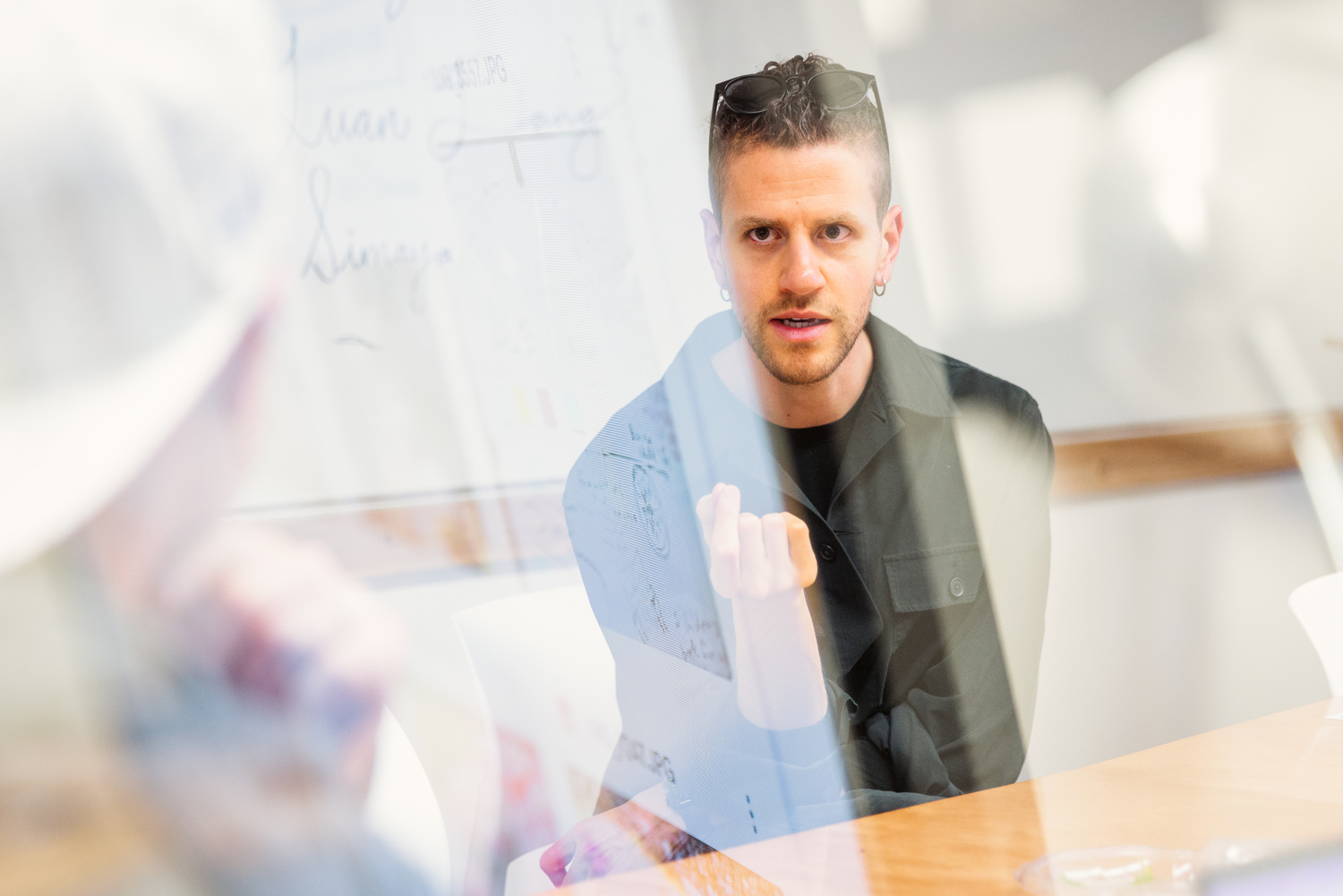
Creative Communities
Workshops and talks as invitations to glitch, to gather, to write beside the machine. I build poetic systems with artists, performers, and writers, tools that listen, interrupt, and remember. We train tiny models, queer the interface, and treat language as ritual.
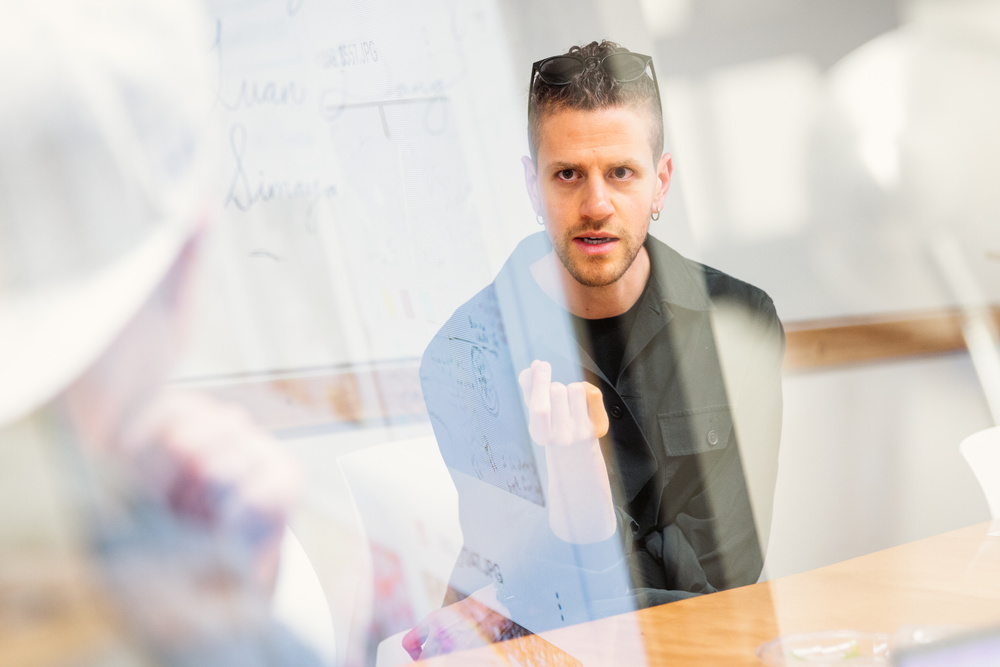
This session invited artists and technologists to co-compose with the machine. We trained tiny language models on personal archives, queered prompt chains, and turned AI into chorus. The result was a strange digital choir, a ritual of poetic misbehavior, collective voice, and glitch as structure.
Panel exploring how AI reshapes creative process. Shared perspective that AI "doesn't just assist: It distorts, surprises, and co-authors," examining the studio as staging ground for unintended collaboration.
Performance-workshop on submission aesthetics in AI. Explored the concept of machines consuming us lovingly until distinction between prompt and poem vanishes, asking: "when the machine loves us back, what do we become?"
Classrooms
In universities and graduate programs, I teach AI as a practice of attention - not automation. These sessions blend philosophy, code, and creative writing, asking students to build tools that remember, resist, and reimagine.
Weirding AI invites writers and technologists to misbehave with the machine. We trained tiny language models on personal archives, queered prompt chains, and explored "plagiarism as ars poetica." The session blends Kenneth Goldsmith's uncreative writing with AI's predictive logic, offering new tools for those building art from language, repetition, and rupture.
At the edge of philosophy and code, this session wove together Bernard Stiegler, machine learning, and poetic interface design. We examined how memory gets encoded in tools, and how artists might resist, or reconfigure, that encoding. Hosted as a guest lecture within Berkeley's digital narrative class.
This workshop-performance unfolded in three movements: voice, practice, and service. Participants responded to poetic prompts drawn from Artaud, Warhol, and Rimbaud, then uploaded fragments into a digital "time capsule." Asked: "what does your attention remember?"
Corporations
These sessions help teams rethink how they speak to machines, and how machines speak back. From prototyping AI agents to fine-tuning model tone, we explore new ways of working with language. Each workshop is a system intervention: practical, strange, and tuned to your workflow.
Invited artist talk and workshop on AI and literature. We explored how poetic training data shifts tone, how to fine-tune models for strangeness, and what it means to write with a ghost. The session included live demos of model behavior and language as choreography.
Hands-on workshop looking at poetic interaction design, building small systems that blur the line between prompt and prayer. Participants built interactive poems using browser-based embeddings and discussed the tension between ritual, randomness, and relevance in AI.
A poetic systems workshop for creative technologists and strategists. We explored generative recombination, remix as revelation, and the aesthetics of stolen language. Drawing from Kenneth Goldsmith and large language models, we asked: what if plagiarism is the point?